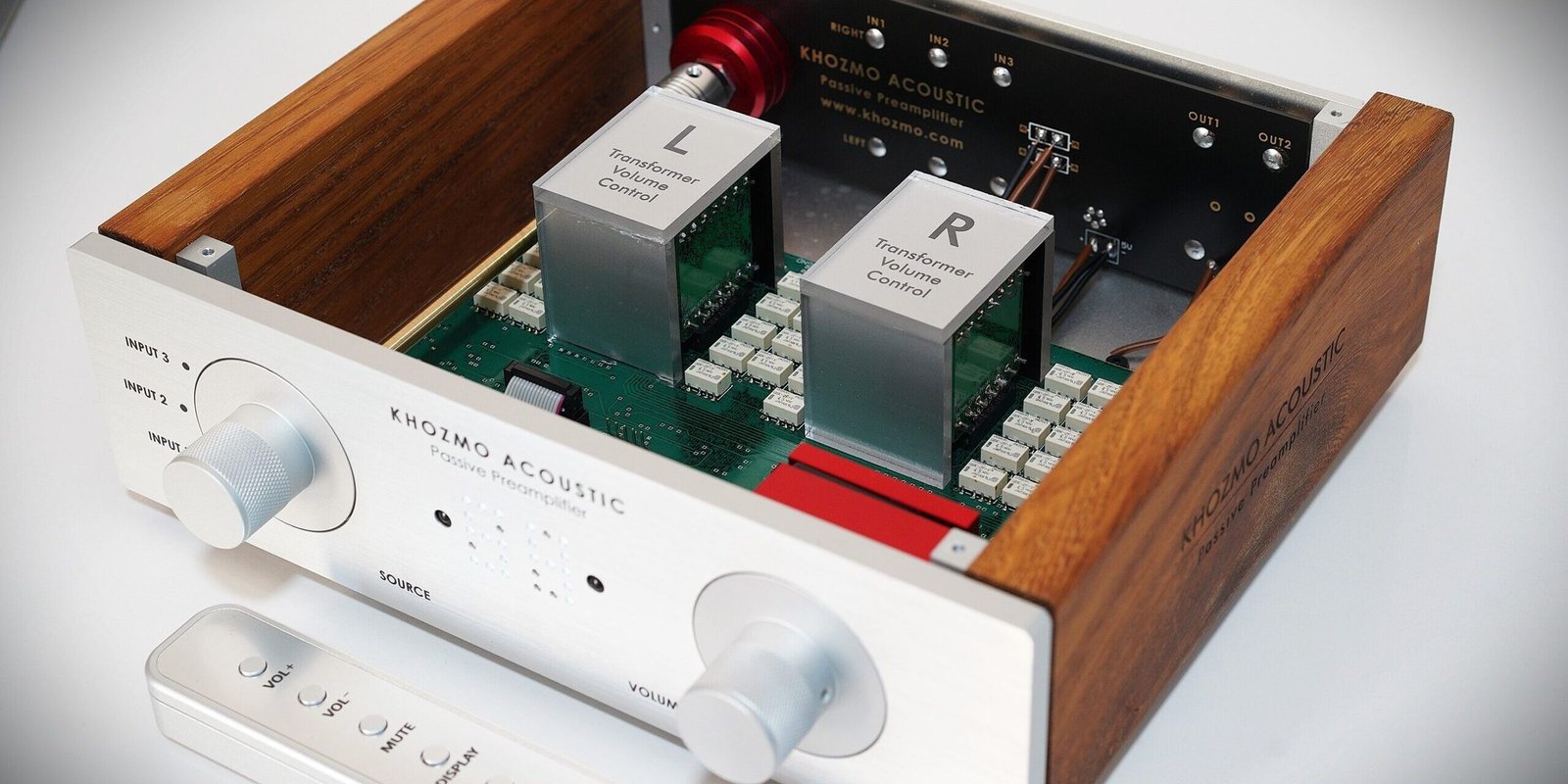
Advantages of autoformer volume controls
Autoformer volume controls are a game-changer in audio systems. They offer precise sound volume control, enhancing your listening experience.
Unlike traditional methods, autoformers provide consistent sound quality. They achieve this by adjusting impedance, preserving audio integrity.
These controls are perfect for multi-speaker setups. They allow individual volume adjustments without affecting the entire system.
Durability and reliability are key advantages of autoformer volume controls. They reduce power loss, common in resistive controls.
Autoformers handle higher power levels, ideal for large installations. They offer smooth, linear volume adjustments, enhancing sound quality.
Professional audio environments often use autoformers for their precision. They integrate seamlessly into home theater systems, optimizing sound distribution.
Autoformers prevent speaker damage by ensuring proper impedance matching. They are a cost-effective way to improve existing audio systems.
Whether for residential or commercial use, autoformer volume controls are easy to install. They require minimal maintenance, making them a practical choice.
Understanding Autoformer Volume Controls
Autoformer volume controls are integral components in modern audio systems. They serve to manage sound volume with remarkable efficiency. By adjusting impedance, they maintain audio signal integrity across varied volumes.
These devices use transformers to manage audio signals. They differ from traditional volume controls, which often degrade sound quality. Autoformers excel by providing consistent quality, regardless of volume changes.
The technology behind autoformers focuses on impedance matching. This process ensures that speakers receive optimal power without distortion or loss. In multi-speaker systems, this feature is especially valuable.
Key aspects of autoformer volume controls include:
- Passive operation: Requires no external power.
- Durability: Long-lasting construction.
- Energy efficient: Minimizes power loss.
Such controls are adaptable to various audio equipment types. Whether integrated into home theaters or professional studios, they ensure exceptional performance. Their compatibility extends to both residential and commercial applications.
Audio enthusiasts and professionals alike appreciate the precision autoformers offer. They are known for seamless integration and minimal intervention. This makes them an appealing option for those seeking optimal sound volume control.
From an ecological standpoint, autoformers are environmentally friendly. They consume no electricity, contributing to a greener planet. The market offers them in diverse configurations, catering to different audio setup needs.
Understanding the role and function of autoformer volume controls reveals their importance. Whether enhancing a home theater’s soundscape or managing a complex audio system in a large venue, autoformers play a crucial role. Their ability to adapt and excel in various scenarios sets them apart as a reliable and effective choice.
How Autoformer Volume Controls Work
Autoformer volume controls operate via specialized transformers. These transformers adjust the impedance in audio systems. By doing so, they ensure optimal power transfer to speakers.
The core mechanism involves tapping into multiple winding points on the transformer. Each tap corresponds to a different volume level, allowing for smooth transitions. This results in more linear and predictable volume management.
Traditional volume controls sometimes struggle with power loss. Autoformers address this by effectively balancing impedance. This balance maintains signal strength and reduces distortion.
Key steps in their operation include:
- Impedance adjustment: Matches audio source to speaker.
- Signal management: Retains audio quality and fidelity.
- Power efficiency: Reduces wasteful energy loss.
Autoformers differ from resistive volume controls, which often waste power as heat. Instead, they offer a cooler, more efficient operation. This efficiency makes them suitable for both high-fidelity and large-scale audio systems.
This advanced technology delivers superior sound accuracy. It prevents speaker damage through proper impedance matching. This is especially critical in multi-speaker setups where each unit requires precise management.
Understanding how autoformer volume controls function reveals their sophistication. They provide not just volume control, but also sound preservation. This ensures listeners enjoy rich, clear audio without the drawbacks of other methods.
Key Advantages of Autoformer Volume Controls
Autoformer volume controls offer numerous benefits for audio enthusiasts. They excel in maintaining sound clarity across various volume levels. This makes them an ideal choice for audiophiles seeking pristine audio.
A significant advantage is their ability to reduce power loss. Unlike resistive controls, autoformers efficiently transfer energy. This efficiency minimizes waste and ensures consistent performance over time.
Autoformers are known for delivering smooth, linear volume adjustments. They avoid the abrupt changes often associated with other methods. This precision enhances the overall listening experience.
These controls are durable and reliable. They operate passively, meaning no external power is needed. This makes them low-maintenance and long-lasting.
Autoformer volume controls also excel in impedance matching. This feature protects speakers from potential damage. It ensures that the entire system remains safe and effective.
They are highly versatile and compatible with various audio setups. They work seamlessly in both residential and commercial environments. Whether for home theaters or professional studios, they offer tailored solutions.
Key benefits include:
- Consistent sound quality: Maintains clarity and detail.
- Energy efficiency: Reduces wasted power.
- Long lifespan: Built for durability.
Additional advantages are:
- Impedance protection: Shields speakers from mismatched loads.
- Passive operation: Requires no external energy source.
- Wide compatibility: Fits various audio systems.
Autoformers are cost-effective for those looking to upgrade existing systems. They offer significant improvements without requiring extensive modifications. This makes them an attractive choice for budget-conscious audio enthusiasts.
Their eco-friendly nature is another perk. By using no additional power, they contribute to sustainable energy usage. This aligns with modern preferences for environmentally conscious technologies.
In essence, autoformer volume controls enhance sound quality, offer precise volume management, and protect equipment. They combine these benefits into a reliable, efficient package that enhances any audio experience.
Autoformer vs. Other Volume Control Methods
Autoformer volume controls stand out when compared to other methods. They address many of the limitations found in alternate systems. Let’s explore how they stack up against the competition.
Resistive volume controls are popular but have notable drawbacks. They can significantly waste power, reducing efficiency. As a result, they often fail to maintain sound integrity at lower volumes.
In contrast, autoformers maintain audio fidelity across all levels. They support smooth transitions, ensuring sound quality remains unaltered. This consistency is a major win for discerning listeners.
Digital volume controls offer precision but sometimes lack warmth. They can introduce digital artifacts, detracting from the listening experience. Not so with autoformers, which preserve the natural audio characteristics.
Key comparisons include:
- Energy efficiency: Autoformers outperform resistive controls by minimizing power loss.
- Sound quality: Digital methods may alter natural sound, unlike autoformers.
- Durability: Autoformers are more reliable over long periods.
Another comparison arises with voltage-based controls. These can struggle with impedance mismatches, risking speaker damage. Autoformers avoid this issue by ensuring proper impedance matching.
In essence, autoformer volume controls offer several advantages over other methods. They manage power more efficiently and maintain sound clarity better. Their design ensures durability and compatibility with diverse audio systems.
The choice for many comes down to these strengths. Autoformers provide an unbeatable combination of reliable performance, sound preservation, and energy efficiency. This makes them a top choice for anyone serious about audio quality and system longevity.
Frequently Asked Questions about Autoformer Volume Controls
Autoformer volume controls often raise curiosity and queries among users. Here are answers to some common questions about these powerful tools. These insights can help you make informed decisions for your audio system needs.
What is the primary benefit of autoformer controls?
Autoformer controls offer precise volume management. They maintain sound quality across various levels, making them superior to traditional resistive controls. Users can enjoy consistent audio performance without signal loss.
Are autoformer controls easy to maintain?
Yes, they are quite user-friendly. Autoformers require minimal maintenance compared to powered alternatives. They do not need external power sources, reducing long-term upkeep concerns and associated costs.
For your convenience, here’s a quick list of frequently asked questions:
- What audio systems benefit most?
- Are autoformers compatible with vintage systems?
- Do autoformers prevent speaker damage?
By understanding the advantages and functionalities of autoformer volume controls, you can enhance your audio setup significantly. This FAQ section aims to clear typical doubts and guide users toward smarter sound volume control choices.
Conclusion: Why Choose Autoformer Volume Controls?
Autoformer volume controls stand out as an exceptional choice for audio systems. They offer reliability, precision, and durability, enhancing both performance and sound quality. This makes them ideal for audiophiles and professionals who seek superior audio experiences.
The efficiency in energy transfer and impedance matching sets autoformers apart. These features ensure optimal audio quality while safeguarding equipment. By choosing autoformers, users can enjoy a more immersive listening experience with seamless sound distribution.
Additionally, their easy integration into various audio setups makes them versatile. From home theaters to professional studios, autoformers adapt seamlessly, contributing to an optimized audio environment. Investing in autoformer volume controls is a step towards attaining top-notch sound management and long-term system enhancements.